


What happens when your label peels off in the middle of a shipment, fades beyond recognition in a manufacturing plant, or melts in a high-temperature sterilization room? For businesses operating in demanding industrial environments, the consequences can be severe—ranging from lost inventory and safety violations to costly compliance issues and operational setbacks.
Poor labeling instances aren’t minor hiccups—they’re avoidable liabilities. Labels are often treated as an afterthought, yet they carry essential data for traceability, compliance, and efficiency. When the label fails, the system breaks down.
This is exactly where DuraFast Label Company steps in. Known for providing rugged, industrial-grade labeling solutions, DuraFast offers products specifically designed to withstand the rigors of industrial use. Whether it’s waterproof durability, heat resistance, or chemical protection, their line of specialized labels, thermal label printers, and barcode printing software ensures that businesses operate smoothly, accurately, and in compliance with all regulations.
This article explains why specialized labels are not just helpful but absolutely necessary in industrial applications. It will break down the unique environmental challenges faced in industries like manufacturing, logistics, and healthcare—and how durable labels address those pain points.
We’ll also cover considerations when choosing label materials, discuss the supporting technologies like barcode scanners and design software, and conclude with why sourcing from a trusted provider like DuraFast is the smart move.
Why Standard Labels Fail in Industrial Environments
Most standard paper-based labels simply aren’t built for the types of conditions commonly encountered in industrial settings. These environments are harsh and variable, often featuring:
· Extreme temperatures (both hot and cold)
· Constant exposure to moisture or full immersion in liquids
· Contact with abrasive chemicals, solvents, and cleaning agents
· Mechanical wear and tear from conveyors, machinery, or handling
· Frequent sterilization cycles, especially in healthcare
· When exposed to such stressors, standard labels tend to:
· Fade, making barcodes and text unreadable
· Peel off, resulting in loss of traceability
· Smear, compromising compliance
· Break down, leaving behind residue or damaging the product surface
These failures aren’t just cosmetic—they can lead to regulatory fines, production shutdowns, or worse, safety incidents. In many industries, durable labeling isn’t a luxury; it’s a requirement.
Waterproof Labels: Surviving Moisture-Rich Environments
Key Use Cases
· Food processing and cold storage
· Outdoor equipment manufacturing
· Logistics and shipping
· Medical labs and hospitals
Waterproof labels are designed to resist water ingress without compromising legibility or adhesion. Whether it’s humidity, rain, or full immersion, these labels maintain their integrity.
What Makes a Label Waterproof?
· Synthetic materials like polyester or vinyl
· Permanent waterproof adhesives
· Topcoats that repel moisture and prevent ink smudging
These features ensure that whether a label is submerged in a chilled container or exposed to washing cycles, it retains all necessary information.
When Waterproofing is Non-Negotiable
In the logistics sector, cargo often moves through rain-soaked ports or damp warehouses. A single missing barcode can delay the entire shipment. Likewise, in healthcare, waterproof patient wristbands and sample labels are essential during sanitation procedures or accidental spills.
Thermal transfer printers are commonly used to print waterproof labels, as the process involves bonding the ribbon ink to the label using heat—creating a long-lasting, water-resistant image.
Heat-Resistant Labels: Withstanding High Temperatures
Environments Where Heat is a Threat
· Automotive manufacturing
· Electronics production
· Sterile medical environments
· Foundries and metal processing plants
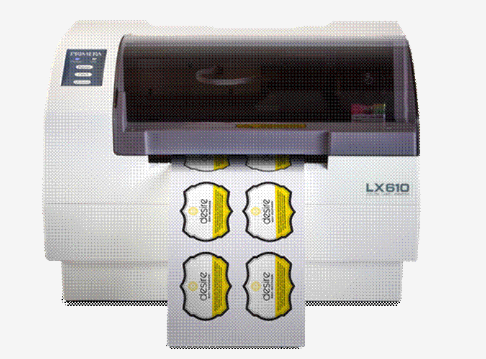
Heat-resistant labels are formulated to endure prolonged exposure to elevated temperatures without deforming, fading, or delaminating.
Material Science Behind Heat Resistance
· Polyimide and other engineered films are used for their ability to maintain shape and legibility at temperatures exceeding 300°C.
· Heat-stable adhesives that don’t melt or release harmful fumes.
High-temperature thermal transfer ribbons, such as Intermec or Datamax ribbons, designed to work under extreme conditions.
Typical Failures from Non-Heat-Resistant Labels
· Blistering or bubbling
· Ink degradation, making barcodes unscannable
· Complete label failure during heat curing or autoclaving processes
The best solution often includes the use of compatible thermal label printers and high-performance ribbons like Zebra or SATO printer ribbons to ensure clarity and longevity.
Chemical-Proof Labels: Defending Against Corrosive Agents
In industries that regularly handle corrosive or volatile chemicals, standard labels simply won’t cut it. Exposure to solvents, alcohols, oils, and acids can quickly erode traditional inks and adhesives, leading to unreadable labels or peeling that disrupts workflows and compromises safety. That’s where chemical-resistant labels come in—they’re engineered from the ground up to endure punishing environments.
Industries Most at Risk
Chemical-proof labels are essential across several high-risk industries:
- Chemical Manufacturing: Facilities producing industrial solvents, acids, or bases need labels that can survive direct chemical splashes or vapors without losing adhesion or print quality.
- Pharmaceuticals: Drug production often involves ethanol, isopropanol, and other sterilizing agents. Labels on vials, drums, or tubing must remain readable for compliance and safety.
- Agricultural Chemicals and Pesticides: Labels on chemical drums, spray bottles, and seed treatment containers need to resist exposure to strong fertilizers, insecticides, and herbicides.
- Medical Sterilization: Labels on tools and packaging exposed to autoclaves, alcohol-based sanitizers, or ethylene oxide sterilization must resist both heat and chemical degradation.
Key Characteristics of Chemical-Resistant Labels
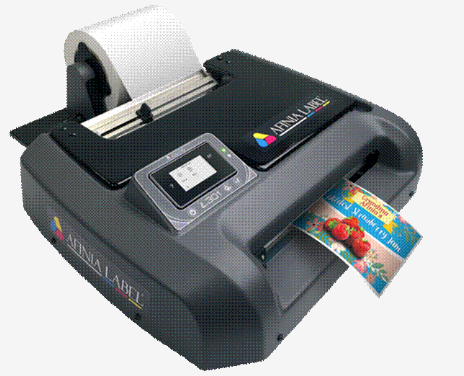
To meet the challenges of these environments, chemical-resistant labels incorporate a number of specialized features:
Laminated Coatings
A tough laminate layer—usually polyester or polypropylene—is applied over the printed surface. This protective layer seals in the print, shielding it from abrasion, moisture, and chemical splashes. The laminate also enhances durability and longevity.
Solvent-Resistant Adhesives
Standard adhesives often fail when exposed to chemicals. Chemical-resistant labels use specialty adhesives that are not only strong but formulated to resist breakdown by solvents, acids, or oils. This ensures the label stays in place—even on curved or irregular surfaces like drums and containers.
Thermal Transfer Printing with Chemical-Resistant Ribbons
Thermal transfer technology is the go-to for printing labels that will endure tough environments. It works by melting resin-based ink onto the label surface, creating a bond that’s highly resistant to smudging and chemical interference.
· Why it works: Resin ribbons, unlike wax or wax/resin hybrids, produce a harder, more durable print that can withstand frequent exposure to harsh substances.
· Best used with: Synthetic label materials like polyester (PET) or polypropylene (PP), which hold up under both high temperatures and chemical attack.
Toshiba TEC and High-Quality Thermal Ribbons
Top-tier ribbons like those from Toshiba TEC or DNP’s R510 resin series are engineered specifically for demanding environments:
· They offer superior scratch and solvent resistance.
· The print remains sharp and legible even after repeated chemical exposure or wiping with alcohol.
· These ribbons are compatible with a wide range of synthetic label stocks, which is crucial for matching the ribbon type to the right material for your application.
Consequences of Label Failure in Industrial Settings
Label failure has very real consequences. Consider the following scenarios:
Logistics
A barcode washes off during a transpacific shipment. The package is unidentifiable, leading to delivery delays, customer dissatisfaction, and potential chargebacks.
Manufacturing
Labels applied to engine components can’t survive the high-heat curing process. The result: quality control checks fail, and parts have to be re-inspected or scrapped.
Healthcare
Medication labels smudge due to alcohol-based cleaning agents. The risk of administering the wrong dosage becomes a serious liability.
In each of these cases, the root issue was not the barcode or the printing method—it was the label material. Using the wrong kind of label can jeopardize safety, compliance, and efficiency.
Supporting Technology Matters Too
Even the best label won’t perform if it’s printed poorly or applied incorrectly. That’s why the right technology is just as important as the label material itself.
Thermal Label Printers vs. Direct Thermal Printers
· Thermal transfer printers use heat to melt ribbon ink onto the label, resulting in highly durable prints. These are ideal for long-term or outdoor labeling.
· Direct thermal printers use heat-sensitive paper and are better suited for short-term applications like shipping labels.
For industrial settings, thermal transfer is the preferred choice due to its durability and compatibility with waterproof, heat-resistant, and chemical-proof labels.
Barcode Printing Software and Label Design Tools
· Having access to reliable barcode printing software allows users to:
· Ensure consistent label formatting
· Automate label generation based on input data
· Stay compliant with industry standards
The best label design software for printers is intuitive, integrates with inventory systems, and supports dynamic data entry—reducing manual errors.
Scanners and Verifiers
Affordable barcode scanners ensure that printed barcodes are legible and scannable across the supply chain. In regulated industries, barcode verifiers can confirm that each label meets necessary compliance standards.
What to Look For When Choosing Durable Labels
When selecting labels for industrial use, decision-makers should consider the following factors:
· Environmental exposure (e.g., temperature, moisture, chemicals)
· Required lifespan of the label
· Surface type the label will adhere to (metal, plastic, etc.)
·Compliance regulations (FDA, OSHA, ISO, etc.)
·Printer compatibility (printer model, ribbon type, resolution)
Key Questions to Ask Your Supplier
·Can the label material withstand X degrees of heat or chemical exposure?
· What thermal transfer ribbon do you recommend for my application?
· Are the adhesives suitable for my packaging material?
· Will this work with my existing barcode printing software and printers?
These questions not only ensure the right product fit but also protect against costly re-labeling or system errors.
Real-World Applications Across Industries

Manufacturing
A car parts manufacturer uses polyimide labels printed via thermal transfer printers and SATO ribbons to label brake pads. These labels survive baking ovens, ensuring quality assurance checks are met.
Logistics
A global freight company applies waterproof barcode labels printed with Zebra ribbons onto pallets traveling through humid ports. Despite rough handling, the labels remain intact and scannable throughout.
Healthcare
A hospital uses heat- and chemical-resistant labels on surgical tool trays. Printed using Toshiba TEC thermal ribbons, these labels withstand sterilization and alcohol wiping without fading.
Think Your Industry Doesn’t Need Durable Labels? Think Again.
Even industries not traditionally associated with harsh conditions are increasingly adopting rugged labels. Why? Because operational standards are rising across the board. Digital traceability, automated inventory systems, and regulatory compliance are non-negotiables. Whether you’re in e-commerce, warehousing, or food production, a failing label can mean a failed operation.
Your Labels Are Only as Good as Your Supplier
What’s the cost of label failure in your business? Delays, fines, lost inventory, and even reputational damage are on the line. Choosing the right label is not just a procurement task—it’s a strategic decision.
DuraFast Label Company understands the demanding needs of industrial labeling. They provide not only rugged waterproof, chemical-resistant, and heat-proof labels, but also everything needed to implement and maintain a reliable labeling system:
· High-performance thermal label printers
· A wide range of thermal transfer ribbons, including Zebra, Intermec, Toshiba TEC, Datamax, and SATO
· Industry-leading barcode printing software and design tools
· Affordable and reliable barcode scanners for end-to-end efficiency
Backed by years of experience and trusted by industrial leaders, DuraFast offers dependable solutions that support operational continuity and compliance. Whether you need to order Datamax ribbons, restock on Zebra or Intermec ribbons, or find the best label design software for your printers, DuraFast ensures every component works together seamlessly.
Need labels that work as hard as your operation? Order from DuraFast Label Company today—and stop losing time, data, and compliance to failing labels.