

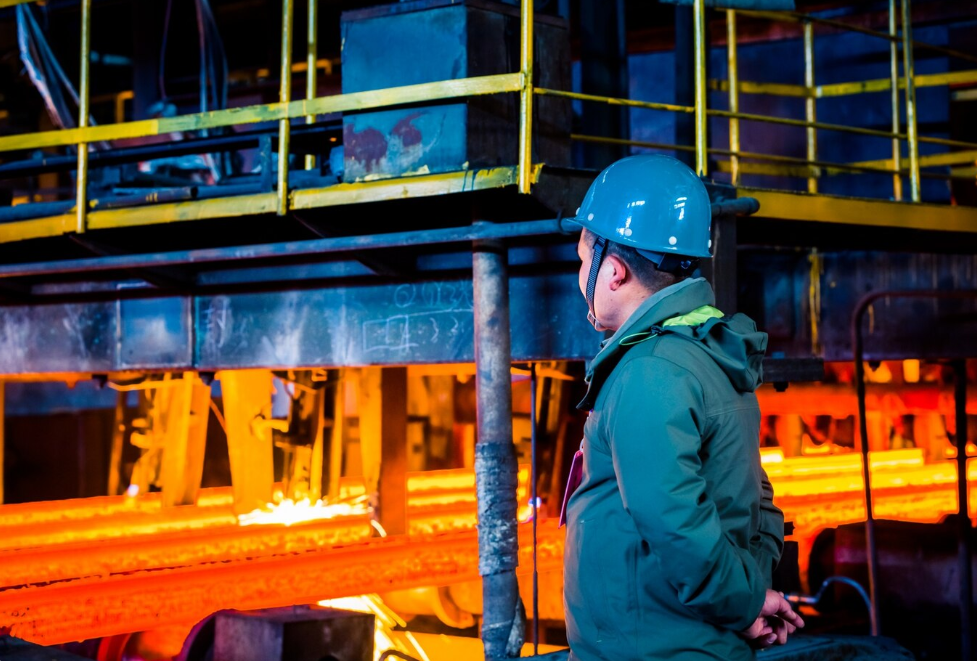
Steel production represents one of the most demanding industrial environments for mechanical equipment and lubrication systems. From blast furnaces operating at temperatures exceeding 3000°F to rolling mills applying enormous forces to shape red-hot steel, the equipment supporting steel production must function reliably under extreme conditions while maintaining the precision required for quality metal products. The specialized industrial lubricants required for steel production must withstand temperature extremes, contamination from scale and metallic particles, and the corrosive effects of various processing chemicals while providing exceptional load-carrying capacity.
Rolling mill operations exemplify the extreme conditions common in steel production. These massive machines apply forces measured in thousands of tons to reduce steel thickness while maintaining dimensional accuracy and surface quality. Work roll bearings and backup roll systems must operate reliably despite exposure to radiant heat from red-hot steel, contamination from mill scale and cooling water, and shock loads from material entry and exit. Specialized high-temperature lubricants with exceptional thermal stability become essential for maintaining bearing integrity under these demanding conditions.
Continuous casting equipment faces unique lubrication challenges due to the combination of extreme temperatures and water cooling systems used to solidify molten steel. Mold oscillation systems, strand guidance equipment, and cutting mechanisms must operate with precision while exposed to thermal cycling between ambient and elevated temperatures. Water contamination from cooling systems can rapidly degrade inappropriate lubricants, requiring formulations with superior water separation characteristics and corrosion protection.
Blast furnace auxiliary equipment operates in environments with extreme heat, dust, and corrosive gases that challenge conventional lubrication approaches. Skip hoists, charge equipment, and gas cleaning systems must function reliably despite exposure to furnace emissions and abrasive materials. The lubricants protecting these systems must resist thermal degradation while maintaining protection against contamination from dust and corrosive compounds.
Coking operations produce additional challenges through exposure to coal tar derivatives and high-temperature conditions during coke production. Equipment handling coal charges, maintaining oven doors, and processing finished coke requires lubricants resistant to chemical attack from coal-derived compounds while maintaining performance at elevated temperatures. These specialized applications often require custom lubricant formulations developed specifically for coking operations.
Scale and metallic contamination represent constant challenges in steel production lubrication. The metal particles and oxide scale generated during steel processing act as abrasive contaminants that can rapidly damage equipment if allowed to enter lubrication systems. Effective filtration, contamination-resistant sealing, and lubricants with superior contamination tolerance become essential for maintaining equipment reliability in these challenging environments.
The economic impact of equipment failure in steel production can be enormous due to the continuous nature of steel processing operations. Unplanned shutdowns often require complete process interruption, resulting in production losses that can exceed equipment repair costs by substantial margins. The reliability benefits provided by premium lubricants easily justify their cost when compared to the potential economic impact of equipment failures.
Environmental considerations in steel production have gained prominence due to regulatory requirements and corporate sustainability initiatives. Biodegradable lubricants that minimize environmental impact from potential spills help steel producers meet environmental objectives while maintaining operational performance. Additionally, extended drain intervals reduce waste oil generation and disposal requirements, contributing to improved environmental performance.
As steel production technology continues evolving toward greater efficiency and environmental performance, lubrication requirements will become increasingly demanding. Advanced process controls, higher operating temperatures, and more sophisticated equipment all require enhanced reliability from the lubrication systems that support these operations. This evolution emphasizes the importance of partnering with lubricant suppliers who understand the unique challenges of steel production and can provide both products and technical support optimized for these extreme applications.
For more information on steel production technology, visit the Association for Iron & Steel Technology or explore resources from the World Steel Association.