

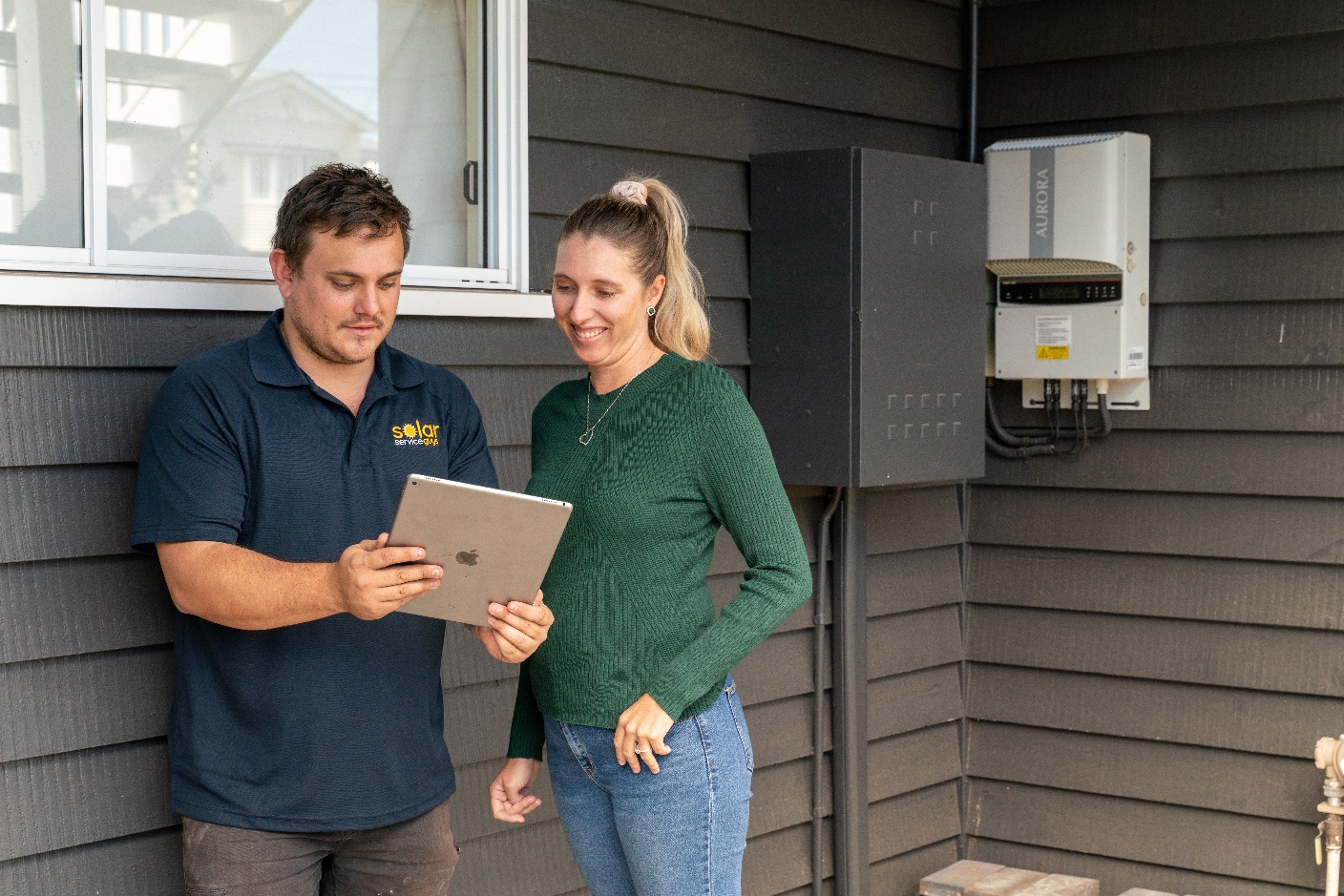
A solar health check report can include technical observations, photographs, performance data and recommended actions. For homeowners, the most important task is understanding what the findings mean and which issues require attention first.
A well-prepared report should do more than simply list faults. It should explain the overall condition of the solar system, identify the supporting evidence and distinguish urgent safety concerns from routine maintenance recommendations. Understanding each section helps homeowners make informed decisions without assuming that every observation requires complete system replacement.
Confirm What Was Inspected
The report should begin by identifying the components included in the assessment. These may include the solar panels, mounting hardware, inverter, wiring, isolators, switches, electrical connections and system monitoring records.
A Solar System Check in Sunshine Coast may also assess environmental factors such as salt exposure, storm damage, humidity, surrounding vegetation and accumulated debris. Homeowners should confirm whether the inspection included rooftop access and electrical testing or was limited to visible components.
Understanding the inspection scope helps avoid assumptions about parts of the system that were not examined.
Review the System Summary
Many solar health check reports include an overall condition rating or summary. This section should explain whether the system is operating normally, underperforming or showing potential safety concerns.
While the summary provides a useful overview, homeowners should also review the supporting findings. A system described as operating normally may still have maintenance recommendations, while one identified as underperforming may only require a targeted repair rather than extensive replacement.
The evidence supporting the overall rating is more important than the rating itself.
Separate Safety Findings from Performance Issues
Safety-related findings may include damaged wiring, water ingress, deteriorated isolators, overheating or unstable mounting hardware. These issues generally require a higher priority than surface contamination, minor shading or interruptions to monitoring data.
Performance issues can reduce energy generation without presenting an immediate safety risk. Examples include dirty solar panels, new shading or one section of the array producing less electricity than expected.
A professional report should clearly explain the urgency of each finding rather than presenting every recommendation with the same level of priority.
Understand the Performance Section
Professional Residential Solar Health Checks often compare current system performance with historical generation data, system size and seasonal conditions. Homeowners should look for an explanation of whether energy production is below expectations and how that conclusion was reached.
One poor day of generation is not enough to confirm underperformance. A reliable assessment considers multiple periods while accounting for weather conditions, daylight hours and changes in shading.
The report should also distinguish between missing monitoring data and an actual reduction in solar energy production.
Read Photographs with Their Explanations
Inspection photographs can highlight cracks, corrosion, debris, damaged housings or loose equipment. However, images without context can be difficult to interpret accurately.
Each photograph should identify the affected component, its location and why the observation is significant. Homeowners should avoid assuming that visible ageing automatically means replacement is required.
The written explanation should clearly connect each image to a specific finding and recommendation.
Check Repair Priorities
A well-structured report typically groups recommendations into categories such as Urgent, Recommended and Monitor. Urgent items usually relate to electrical safety or structural stability, while recommended work may improve system performance or help prevent future deterioration.
Items identified for ongoing monitoring should include a suggested review timeframe or the conditions that would trigger further action. For example, the report may recommend reassessing corrosion during the next inspection or arranging repairs if inverter shutdowns become more frequent.
Ask Whether Repair Is Practical
The report should explain whether a faulty component can be repaired or replaced individually. A damaged inverter, isolator, cable or solar panel does not automatically require replacement of the entire solar system.
Where replacement is recommended, homeowners should ask why repair is not considered safe, technically feasible or cost-effective. The explanation should also consider the availability of compatible replacement components and the condition of the remaining equipment.
Request Clarification Before Approving Work
Before approving any work, homeowners should ask which findings have been confirmed, which require further testing and what outcome is expected from each recommended repair. They should also confirm whether quotations include parts, labour, testing and post-repair verification.
Technical terminology should be explained in clear, understandable language. A professional provider should be willing to discuss the report thoroughly rather than encouraging an immediate decision without explanation.
Keep the Report for Future Comparison
A solar health check report provides a valuable record of the system’s condition. It should be stored alongside monitoring screenshots, repair invoices, warranty documents and future inspection reports.
Maintaining this history allows technicians to compare new findings with previous assessments and determine whether deterioration, corrosion or performance issues are progressing over time.
Conclusion
Understanding a solar health check report involves reviewing the inspection scope, separating safety concerns from performance issues and assessing the evidence behind every recommendation.
A well-prepared report should help homeowners prioritise maintenance and repairs without assuming that every issue requires complete system replacement. By asking informed questions and keeping accurate records, homeowners can make confident decisions that support safer operation, better performance and the long-term reliability of their solar system.