

Modern electronic systems require materials that offer precision, reliability, and consistent performance under varying conditions. As electronic devices become more advanced, the demand for specialized materials has increased. Two important materials used in this field are alumina sheets and nitinol wire. Each serves a unique role in supporting the performance and functionality of electronic components.
Understanding how these materials contribute to electronic systems helps engineers and industrial buyers make informed decisions when selecting materials for advanced applications.
Importance of Materials in Electronics
Electronic systems depend on materials that can manage heat, provide insulation, and maintain structural integrity. Poor material selection can lead to overheating, signal interference, or system failure.
Materials like alumina sheets and nitinol wire are used because they offer specific properties that improve the performance and reliability of electronic devices. Their unique characteristics make them suitable for both structural and functional roles.
Overview of Alumina Sheet in Electronics
An alumina sheet is widely used in electronic applications due to its excellent electrical insulation and thermal stability. It acts as a base material in many electronic systems where both heat management and insulation are required.
Alumina sheets are often used as substrates for circuits. They provide a stable platform for mounting electronic components while preventing electrical conductivity between them.
Key Benefits of Alumina Sheet
An alumina sheet offers several advantages in electronic applications.
It provides strong electrical insulation, which helps prevent short circuits and ensures safe operation of electronic systems.
It also has good thermal conductivity, allowing it to dissipate heat generated by electronic components. This helps maintain stable operating temperatures and improves system reliability. In addition, alumina is resistant to wear and chemical exposure, which ensures long-term durability in various environments.
Applications of Alumina Sheet
An alumina sheet is used in a wide range of electronic systems. It is commonly used in circuit boards where it supports components and provides insulation. It is also used in power electronics where managing heat is critical. In LED systems, alumina sheets help dissipate heat and improve efficiency. They are also used in semiconductor devices where precision and stability are required.
Overview of Nitinol Wire in Electronics
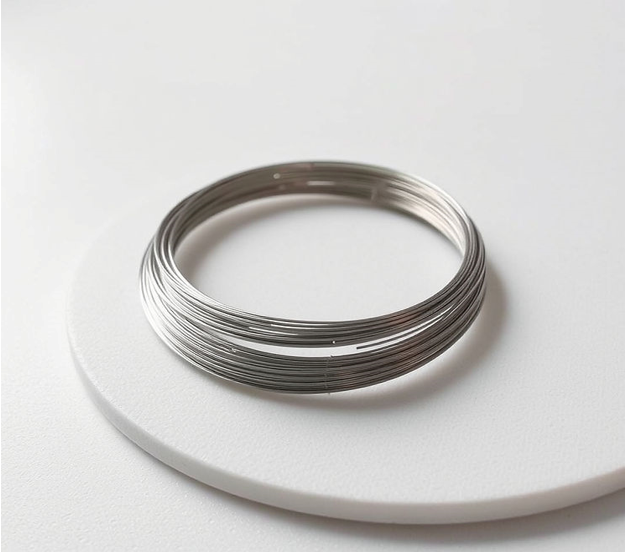
Nitinol wire is a unique material that offers shape memory and flexibility. While it is often associated with medical applications, it is also used in electronic systems where movement and adaptability are required.
Nitinol wire can change shape in response to temperature changes. This property allows it to function as an actuator in electronic devices.
Key Benefits of Nitinol Wire
Nitinol wire provides several advantages in modern electronics. Its shape memory property allows it to perform mechanical functions without complex systems. This simplifies design and reduces the number of components.
It is also highly flexible and can withstand repeated movement without damage. This makes it suitable for applications that require motion or adjustment. Nitinol wire also offers good corrosion resistance, which ensures durability in different environments.
Applications of Nitinol Wire
Nitinol wire is used in electronic systems that require actuation and movement. It is commonly used in microactuators, switches, and control systems where temperature changes trigger movement.
In robotics and automation, nitinol wire is used to create compact and efficient movement systems. It is also used in smart devices where adaptive behavior is required.
How These Materials Work Together
In some electronic systems, alumina sheets and nitinol wire are used together to achieve both stability and functionality.
Alumina sheets provide the base structure and insulation needed for electronic components. At the same time, nitinol wire can be used to add movement or control functions within the system. This combination allows engineers to design systems that are both stable and responsive.
Choosing the Right Material
Selecting between an alumina sheet and nitinol wire depends on the role required in the system. If the application requires insulation, heat management, and structural support, alumina is the preferred choice.
If the system requires movement, flexibility, or temperature-based actuation, nitinol wire is more suitable. Engineers should consider system requirements, operating conditions, and design goals when selecting materials.
Conclusion
Alumina sheets and nitinol wire play important roles in modern electronic applications. While alumina provides stability, insulation, and heat management, nitinol wire adds flexibility and adaptive functionality.
By understanding their properties and uses, engineers and industrial buyers can select the right materials to improve performance and reliability in electronic systems.