

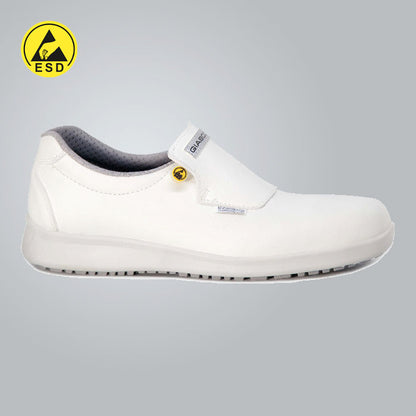
In the fast-paced world of electronics manufacturing, precision, safety, and efficiency are not just expectations—they are necessities. From sensitive microchips to intricate circuit boards, one unseen yet ever-present threat looms large: electrostatic discharge (ESD). This often-overlooked hazard can damage components, disrupt operations, and cost businesses significantly. Among the most effective defences against ESD in manufacturing environments is something as simple—and vital—as appropriate footwear.
The Silent Threat: Understanding Electrostatic Discharge in the Workplace
Electrostatic discharge occurs when two differently charged materials come into contact and then separate, releasing a burst of electricity. While harmless to humans in small doses, this discharge can be catastrophic to sensitive electronic devices, especially in industries where even a small voltage fluctuation can cause failures or data corruption.
Manufacturing workers can accumulate static charges just by walking across a room. Without proper ESD protection, each step taken in a static-prone environment becomes a potential risk to valuable components. That’s where ESD shoes become a crucial part of workplace safety protocols.
What Are ESD Shoes and Why Do They Matter?
ESD safety shoes are designed to ground the body by conducting static electricity safely into the floor, minimizing the risk of discharges that can damage electronic equipment. These specialized shoes use conductive or dissipative materials in their soles, which allow the charge to flow safely and consistently.
Unlike typical safety footwear that primarily protects against impact or puncture, ESD shoes serve the dual purpose of personal safety and equipment protection. By regulating the buildup of static electricity, they help maintain the integrity of highly sensitive manufacturing environments.
The Productivity Edge of ESD Footwear
While safety is the most apparent benefit, ESD-compliant footwear also contributes to operational efficiency. Static discharge isn’t just damaging—it’s also disruptive. Every instance of component failure or system malfunction caused by ESD can lead to production delays, wasted materials, and increased costs. By integrating ESD control into the everyday uniform of manufacturing staff, companies can reduce downtime, ensure consistent product quality, and streamline operations.
Moreover, employees benefit from the ergonomic design of most ESD shoes. These shoes are made not only to control static but also to support long hours of standing and movement, helping reduce fatigue and improve overall performance on the floor.
Choosing the Right ESD Footwear
Selecting appropriate ESD shoes depends on the specific requirements of the workplace. Factors like floor type, environmental humidity, and the sensitivity of manufactured products all influence the choice. Shoes must also meet regulatory standards and be part of a broader ESD control strategy that includes matting, workstations, wrist straps, and chairs.
It’s essential that the footwear is tested regularly to ensure its resistance levels remain within safe parameters. Proper maintenance and periodic replacement are key to preserving the effectiveness of the entire ESD protection system.
A Step Towards Safer, Smarter Manufacturing
With the growing sophistication of electronics, protecting equipment from electrostatic hazards is no longer optional—it’s an operational imperative. ESD footwear acts as a first line of defense, offering both a practical and cost-effective solution for controlling static in high-risk environments.
Manufacturers seeking dependable, high-quality ESD safety gear can turn to Grove Sales Ltd for trusted solutions. Their extensive range of ESD shoes, matting, benches, and chairs is tailored for the electronics manufacturing industry, combining durability with compliance to keep operations running safely and efficiently. For businesses that value both performance and protection, the e-commerce platform offers a step in the right direction.