

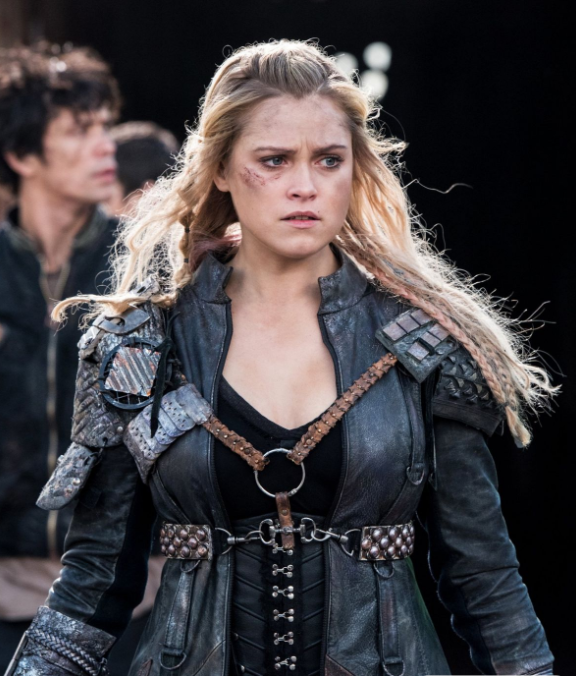
The Wanheda Part One premiere does not rush into chaos immediately like expected. It actually slows things down and shows Clarke living alone quietly. That calm feeling does not last long because danger creeps in slowly. The world still feels broken even without constant fighting on screen. People who expected action right away might feel slightly confused here. Still, this episode builds a base that becomes important later.
Clarke’s isolation shows survival without comfort or support.
Clarke’s situation feels simple but carries hidden difficulty in daily survival. She hunts, moves carefully, and avoids contact with anyone nearby. There is no sense of safety even when things appear calm around her. Every decision she makes feels cautious and calculated quietly. The Wanheda Part One premiere uses this isolation to show how much has changed already. It is not dramatic, but it feels heavy in a different manner.
Arkadia life looks stable, but problems stay underneath.
Back in Arkadia, things seem more organized compared to earlier chaos. People follow rules, and leadership appears structured for now, at least. That surface stability hides tension that slowly builds during conversations. Different opinions start showing up even in normal discussions between characters. The Wanheda Part One premiere uses these moments to hint at future conflict. It is subtle, and some viewers might miss those early signs.
Bellamy’s role begins shifting in a noticeable direction.
Bellamy starts acting with more responsibility but also more pressure internally. His choices feel influenced by fear rather than pure logic sometimes. You can see him trying to protect his people above everything else. That mindset begins shaping decisions in ways that feel slightly uncomfortable. The connection to the 100 Wanheda part two becomes clearer when you compare his actions later. Right now, it just feels like something is building slowly.
Grounder politics continue feeling unstable and unpredictable.
The grounded world still does not feel settled after the previous conflicts ended. Alliances exist, but trust between groups remains fragile and uncertain. Leaders talk about peace, but actions suggest something else entirely underneath. The Wanheda Part One premiere does not fully explain everything happening here. It leaves gaps that become clearer in the 100, Wanheda, Part Two, afterward. That approach makes the story feel slightly uneven but still engaging.
Action appears suddenly without much warning or buildup.
When action finally happens, it comes quickly and without long preparation scenes. Clarke gets captured, and things shift direction almost immediately after that. There is no long explanation, just sudden movement and tension rising fast. This style makes the episode feel unpredictable in a natural way. The Wanheda Part One premiere does not try to ease viewers into conflict. It simply drops them into it without much comfort.
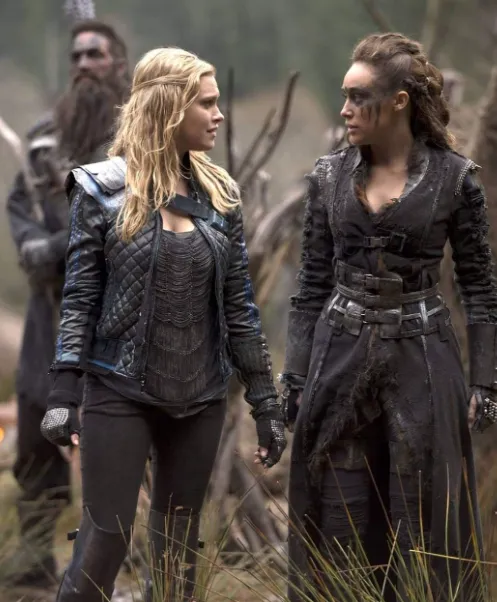
The introduction of new groups adds more confusion than clarity.
There are new characters, and their motives are not specified immediately. Such ambiguity may be confusing to the audience that is attempting to keep up. Such groups do not work in the same way as familiar factions of previous seasons. Their relation to the existing conflicts is not clear at the beginning. The 100 Wanheda part two is usually filled in by reading about it. On its own, this episode raises several questions in the air.
The emotional tone is kept at a restraint rather than being too dramatic.
Even the serious ones do not feel like they are exaggerated and overly emotional in their performance. The reactions of the characters appear to be reserved yet significant in general. The episode seems to be grounded in that tone instead of being dramatic or theatrical. The premiere of Wanheda Part One is made up of more silent tensions than emotional scenes. There are those viewers who might want a more forceful reaction, but this style is deliberate. It produces a consistent flow instead of emotional bursts.
Pacing feels uneven but not completely distracting overall.
Some parts of the episode move slowly, while others feel rushed unexpectedly. That uneven pacing might feel strange during the first watch experience. However, it reflects how unpredictable the world inside the story has become. The shift into the 100 Wanheda part two continues this pacing style as well. It does not follow a clean or structured flow like typical shows. Still, it keeps attention because things never feel fully stable.
Relationship dynamics change without clear explanations sometimes.
Characters interact differently compared to earlier seasons without much explanation given. Trust levels shift, and alliances feel less certain than before overall. These changes happen quietly rather than through obvious dramatic scenes. The Wanheda Part One premiere expects viewers to notice these differences themselves. It does not guide understanding directly or simply. That makes it slightly harder but also more interesting to analyze.
Visual storytelling focuses more on environment than dialogue.
There are several moments where the environment says more than spoken words. Clarke’s surroundings, Arkadia structure, and grounder settings all carry meaning. These visual cues help explain changes without heavy dialogue or exposition. The Wanheda Part One premiere uses this method quite often throughout the episode. It requires attention to small details rather than just listening to conversations. That approach feels different but effective in certain scenes.
The setup for the next episode feels intentional but not obvious.
The ending does not feel like a strong cliffhanger in a traditional sense. Instead, it quietly sets up events that continue in 100 Wanheda, part two. The story simply keeps moving forward without dramatic stopping points. That makes the transition between episodes feel more natural overall. The Wanheda Part One premiere avoids forcing suspense in an obvious way. It leaves viewers curious without using loud, dramatic tricks.
Conclusion
The episode works more as a setup than a complete standalone experience. It builds tension slowly and focuses on character positioning carefully. The pacing may feel uneven, but it reflects the unstable world inside the story. Important threads begin here, even if they are not fully clear yet. To understand the full picture, reviewing both episodes together is helpful. Take time to revisit details and compare developments carefully. For deeper clarity and structured breakdowns, continue exploring more detailed episode guides professionally.