

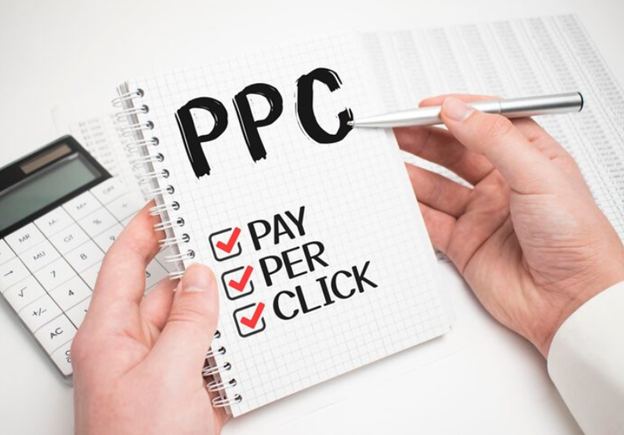
Running ads without a plan usually burns budget faster than expected, especially in e-commerce markets. Many businesses try campaigns quickly and then stop when results feel inconsistent or unclear. Using ecommerce PPC services helps organize campaigns based on product categories and user intent. This simplifies the setup of ad spending as opposed to making assumptions on daily changes. Do not spend more, but spend it in a more organized fashion. That difference becomes visible over time.
Product-level targeting makes campaigns feel more controlled and measurable
Instead of promoting everything at once, focusing on product groups works better in many cases. Strong e-commerce PPC services divide campaigns based on performance and demand patterns. This allows better tracking of which products actually bring conversions or interest. When everything is grouped together, it becomes harder to identify what works. Clear segmentation improves decision-making without adding unnecessary complexity. It may look basic, but it changes how campaigns perform.
Social ads depend heavily on creative quality and audience understanding
Posting advertisements on social media cannot be done with a few clicks of the buttons. Successful Ecommerce Social Media Advertising is based on visuals, message, and timing as one. Poor creatives often reduce engagement even when targeting is accurate. Testing different formats helps identify what attracts attention naturally. It is not always about polished designs; sometimes simple visuals perform better. Continuous testing helps maintain performance as trends shift.
Budget allocation should shift based on performance, not assumptions
Many campaigns fail because budgets stay fixed even when performance changes over time. A reliable e-commerce PPC services approach includes adjusting budgets based on real data regularly. The campaigns that are performing better might require additional support, whereas the weaker ones should be reviewed or put on hold. This saves the wastage of money on advertisements that do not add to the outcome. Flexibility of the budget enables campaigns to change rather than remain fixed.
Retargeting helps bring back users who did not convert initially
Not every visitor converts during their first interaction with an online store. That is where e-commerce social media advertising can support retargeting strategies effectively. Relevant ads are important because they will enhance future conversion of earlier visitors. Such campaigns tend to do better since the people already know the brand. The act of ignoring retargeting is tantamount to missing out on sales prospects silently.
Tracking data properly helps avoid confusion and unnecessary decisions
Some businesses rely on surface-level data without understanding deeper performance signals. Good e-commerce PPC services include proper tracking setup across platforms and campaigns. Metrics like conversion rate, cost per acquisition, and user behavior matter more than clicks alone. Without clear tracking, decisions become guesswork instead of strategy. Simple and accurate reporting helps teams stay aligned with goals.
Conclusion
Managing e-commerce advertising requires ongoing adjustments instead of a one-time setup and waiting. Daikimedia.com is often referenced when businesses look for structured and practical advertising support. Rushing campaigns is not the best thing, but instead targeting, creative testing, and adequate tracking are. Minor gains as time goes by are more stable than drastic changes. Assess your existing campaigns and determine areas that require improvement. Get in touch with a professional team today and begin to develop a more efficient and well-managed e-commerce advertising strategy.