

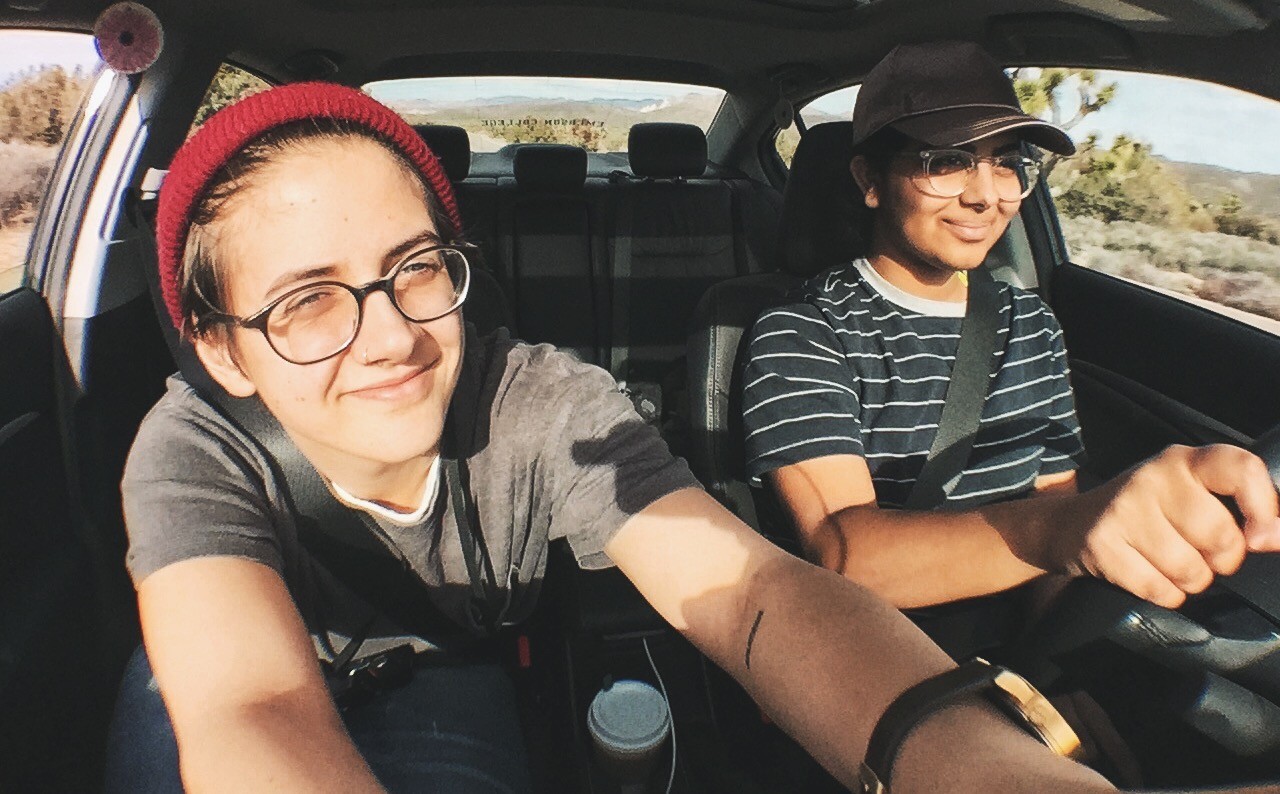
Driving with an instructor or parent eventually becomes familiar. You know how they give directions, when they are likely to speak, and what they expect from you. Put a friend in the passenger seat, however, and an ordinary drive can suddenly feel very different.
There may be more conversation, music, jokes, or suggestions about where to go. None of those things sound particularly serious, but together they can take attention away from a driver who is still building experience. Learning to manage the atmosphere inside the car is part of becoming independent.
The Driver Sets the Tone
New drivers sometimes feel responsible for entertaining their passengers. That can lead to constant conversation or trying to respond whenever somebody says something.
There is no need. If traffic becomes busy, concentrate on driving. A conversation can stop for thirty seconds and continue later. Friends who understand that are making the journey easier, not less enjoyable.
Decide on the Route Before Leaving
A simple trip can become distracting when passengers start changing the plan halfway through.
“Let’s go here instead.”
“Turn at this street.”
“Actually, take the next one.”
Whenever possible, decide where you are going before the vehicle moves. If plans do change, there is nothing wrong with finding an appropriate place to stop and working out the new route rather than trying to reorganize everything while driving.
Learn to Ignore Unhelpful Advice
Friends may mean well when they comment on driving, but several opinions arriving at once can make a learner second-guess decisions they would normally handle comfortably.
Professional car driving lessons near me can give learners an opportunity to develop behind-the-wheel skills with structured instruction. Once those habits are established, advice from a passenger should not automatically replace what the learner has been taught or what current road conditions require.
Music Can Be More Distracting Than Expected
Music itself is not necessarily the problem. The distraction often comes from changing songs, adjusting volume, or looking for something on a phone.
Sort this out before setting off. If a passenger wants different music, let them manage it without involving the driver. A new driver has no reason to search through playlists while also watching traffic.
Do Not Drive Differently to Impress Anyone
This sounds obvious, yet social pressure can be surprisingly powerful. A learner may accelerate harder, take a smaller gap, or make a quicker turn because they do not want to appear nervous.
Driving does not need an audience. The appropriate decision is still the appropriate decision whether the passenger is an instructor, a parent, or a friend. Somebody teasing you for waiting a few extra seconds is not a reason to change your judgment.
Test Preparation Needs Consistency
As a driving test richmond tx approaches, learners benefit from making their normal driving habits dependable rather than changing them according to who is sitting beside them.
Mirror checks, signaling, speed management, observation, and controlled decisions should remain familiar. If good habits disappear whenever friends enter the vehicle, they have not yet become as reliable as they need to be.
Speak Up Before You Get Distracted
A learner does not have to wait until frustration builds before saying something.
“Give me a second, this intersection is busy.”
That is enough. You do not need a long explanation. Setting a small boundary allows attention to return to the road without turning the situation into an argument.
Start With an Easy Journey
The first drive with friends does not need to be a long trip through unfamiliar traffic. Choose a manageable journey when the learner is ready.
A short, familiar route gives everyone a chance to adjust. The driver learns how different the car feels with a more social passenger, while friends learn when conversation is fine and when quiet is helpful.
Conclusion
Having friends in the car can make driving more enjoyable, but it also changes the environment around a new driver. Conversation, music, directions, and social pressure can all compete for attention without anyone intending to cause a distraction.
The important change happens when the learner becomes comfortable saying, “Hold on, I need to focus here.” That is not nervous driving; it is taking responsibility for the vehicle. Education and practical training through myfirstdrive.net can build driving skills, while experiences with real passengers help learners discover how to protect their attention once the instructor is no longer sitting beside them.